
personalized therapies to restore your balance and well-being..
Vertigo is a sensation of spinning or movement that occurs even when a person is completely still. Those experiencing vertigo often feel as if they or their surroundings are in constant motion, which can be highly unsettling. It may be accompanied by symptoms such as nausea, vomiting, sweating, and difficulty maintaining balance or walking. Vertigo is commonly caused by issues within the inner ear, which plays a vital role in regulating balance. Conditions such as displaced crystals, infections, or inflammation in the inner ear can disrupt this system and lead to vertigo.
Understanding the different types of vertigo is essential for accurate diagnosis and effective treatment. Here are the primary categories:
This form is predominantly linked to issues within the inner ear. Common conditions include Benign Paroxysmal Positional Vertigo (BPPV), vestibular neuritis, and Meniere’s disease. These disorders disrupt the balance mechanisms located in the inner ear, leading to episodes of dizziness and spinning sensations.
Central vertigo originates from problems within the central nervous system, particularly the brain. Causes may include migraines, multiple sclerosis, or other neurological disorders that interfere with normal brain function related to balance and spatial orientation.
Triggered by specific head movements or positions, this type of vertigo often results from inner ear disturbances such as displaced otolith crystals. It typically presents when changing posture, lying down, or turning the head.
Spontaneous VertigoThis form occurs suddenly without any identifiable trigger or movement. It can be a symptom of underlying inner ear or neurological conditions requiring prompt medical evaluation.
Vertigo can stem from various underlying health issues, mainly affecting the inner ear or the central nervous system. Common causes include:
Benign Paroxysmal Positional Vertigo (BPPV)
Since each case of vertigo presents differently, consulting an ENT specialist is vital for precise diagnosis and tailored treatment plans based on the root cause.
Meniere’s disease is an inner ear disorder that impacts both hearing and balance. It is characterized by recurrent episodes of severe vertigo, ringing in the ears (tinnitus), hearing loss, and a sensation of fullness or pressure within the ear. These episodes can last from a few hours to an entire day and often occur unpredictably.
Causes of Meniere’s DiseaseWhile the exact cause remains unclear, it is believed to involve abnormal fluid buildup within the inner ear. Potential factors include:
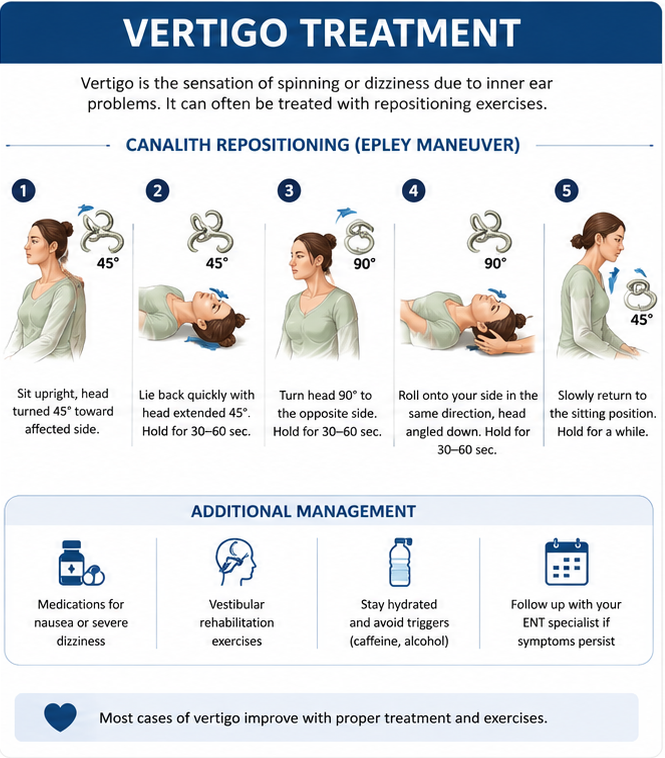
Diagnosing vertigo involves a comprehensive assessment of symptoms, medical history, and diagnostic tests such as hearing evaluations, balance tests, and imaging studies. Treatment options are personalized and may include:
Effective management depends on accurate diagnosis and tailored therapy. For those seeking expert care in Kumasi, Paks ENT Hospital offers specialized vertigo treatment. the hospital provides advanced diagnostic services and comprehensive treatment plans to help patients restore balance and enhance their quality of life.
Got a question? We've got answers. If you have some other questions, see our support center.