
Most ear infections resolve on their own without antibiotics or surgical intervention. However, repeated infections can lead to ongoing discomfort, hearing difficulties, and inflammation caused by fluid buildup behind the eardrum. Persistent fluid and infection can affect your child's hearing and overall well-being.
Ear tubes, or tympanostomy tubes, offer significant relief by draining fluid and equalizing pressure within the middle ear. They provide direct access to treat infections with ear drops an effective and safer alternative to oral antibiotics, which can sometimes cause side effects. By improving drainage and reducing inflammation, ear tubes can restore hearing and enhance your child's quality of life.
Options for Ear Tube Placement
The procedure varies based on your child's age, medical needs, and your ENT specialist’s recommendation:
For children aged 16 months and younger: Ear tubes can often be inserted in-office without general anesthesia. This minimally invasive approach involves local numbing and sedation, allowing the procedure to be performed comfortably in a clinical setting. No overnight hospital stay is required.
For children over 16 months: Ear tube placement is typically performed in an outpatient ambulatory surgery center under general anesthesia, administered by a pediatric anesthesia specialist. This ensures your child's comfort and safety during the procedure. No overnight hospitalization is needed, and your child can usually return home the same day.
What to Expect During the Procedure
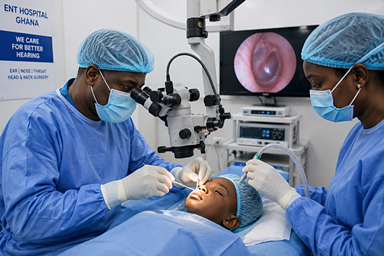
In-Office Ear Tube Insertion (Children 16 months and younger): Your child will receive oral acetaminophen and topical numbing medication in the ear canal. The ENT surgeon will make a tiny incision in the eardrum, drain fluid, insert the tube, and apply antibiotic ear drops. Most children resume normal activities the same day.
Surgical Placement in an Ambulatory Surgery Center (Children over 16 months): Under general anesthesia, your child will be asleep during the procedure. The surgeon will create a small incision, remove fluid, and insert the tube. Antibiotic drops are used as needed. Your child can typically resume normal activities the following day.
Post-Operative Care and Follow-Up
Regular follow-up visits every six months are essential to monitor the tubes' function and ensure hearing improvement. Ear tubes typically stay in place for 12 to 36 months and often fall out naturally as the eardrum heals. Most children with ear tubes can participate in swimming and water activities; however, water sports like swimming in lakes or oceans may require ear plugs to prevent water entry.
Conclusion
Ear tube surgery is a safe and effective treatment for children suffering from recurrent ear infections and associated hearing issues. With proper care and follow-up, most children experience significant relief, improved hearing, and a quicker return to their daily routines.